What New Insights into Plants' Defense Mechanisms Can Be Gained by Studying Their Interactions with Their Habitat?

In the past decades plants were viewed primarily as “growth machines” that produce oxygen and biomaterials. The research projects presented in this video look at plants more as organisms that have to solve the challenges of life. The studies analyzed the reaction of plants to certain ecological interactions in a manner that brings together molecular biology and ecology. This reunion of biological sub-disciplines enables scientists to understand gene functions that are the basis for the elaborated chemical responses to environmental stimuli that native plants have developed over the course of their evolution. As IAN T. BALDWIN explains, this new perspective on plants is helpful to bring “ecological sophistication” back to cultivated plants in order to make them more resistant to harsh habitats.
DOI:
https://doi.org/10.21036/LTPUB10201Max Planck Institute for Chemical Ecology
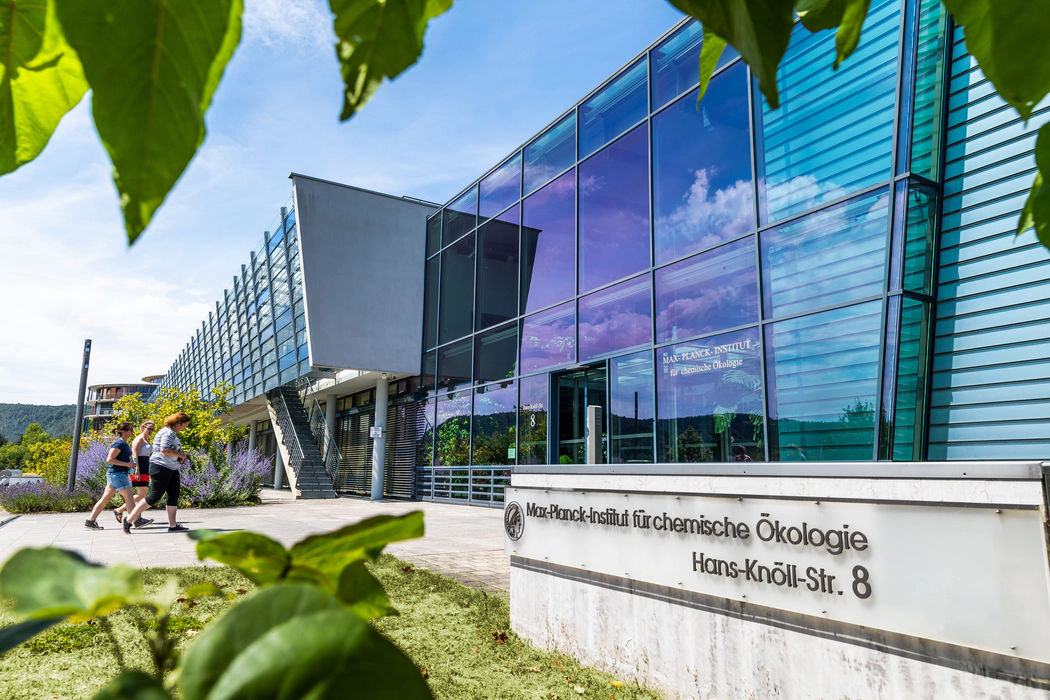
The Max Planck Institute for Chemical Ecology (MPI-CE) investigates how organisms communicate with each other via chemical signals. We study how plants best adapt to their respective environments and identify the chemical compounds they produce to attract pollinators, fend off herbivores and pathogens, or keep unpleasant competitors away. In the course of evolution, insects have adapted to the survival strategies of plants. We therefore analyze the genetics, physiology and behavior of herbivorous insects. Insects also make use of plant substances to protect themselves against predators: They sequester toxic compounds; some insects even signal by exhibiting their bright colors that they should better not be eaten. Microorganisms play a crucial role in the fitness of plants and insects. Some are pathogens, others are symbiotic partners and help to supply nutrients or boost the immune system. We want to determine who plays which role. The MPI-CE was founded in 1996 and is part of the Max Planck Society. Together with Friedrich Schiller University Jena, it runs the International Max Planck Research School Chemical Communication in Ecological Systems, a graduate school for excellent international graduates.

Original Publication
Rediscovering the Bush Telegraph
Ian T. Baldwin
Published in 2015