What is Hydrogen Embrittlement and What Can Be Done To Prevent It?

DOI:
https://doi.org/10.21036/LTPUB10846Researcher
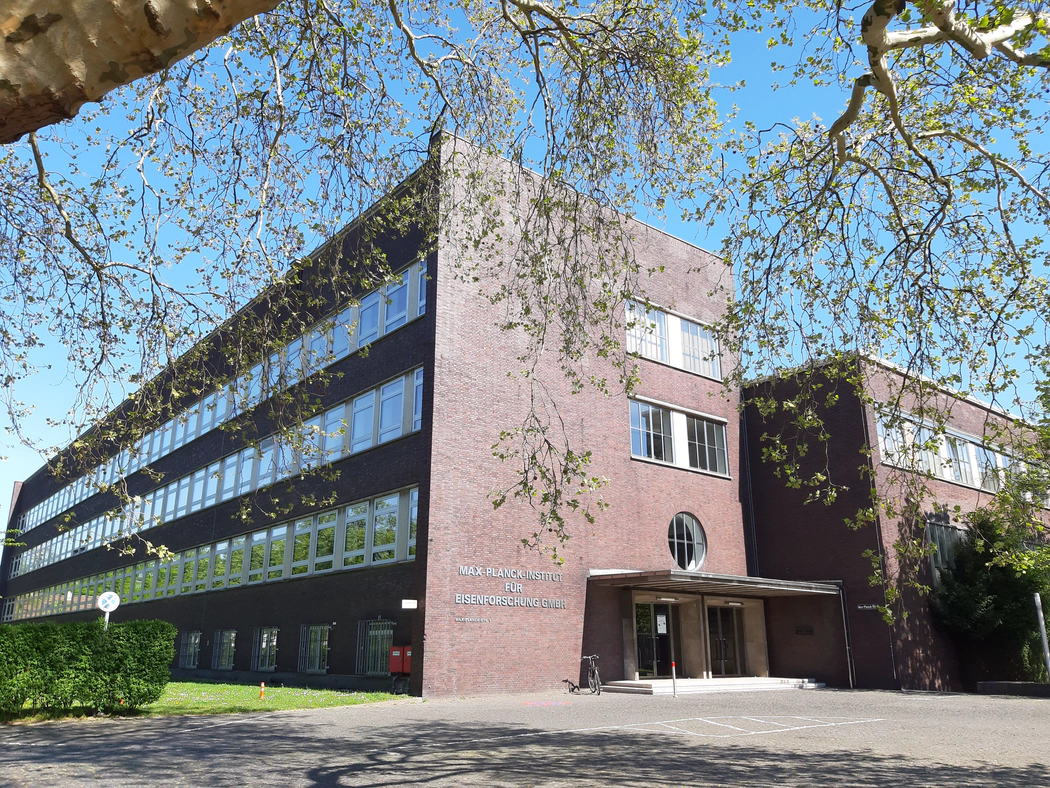
Dr. Baptiste Gault is Group Leader of Atom Probe Tomography in the Department of Microstructure Physics and Alloy Design at the Max-Planck-Institut für Eisenforschung GmbH. An ERC-Consolidator group leader in the same department, Gault is also a Part Time Reader in the Department of Materials at Imperial College London. Having completed his PhD at the University of Rouen in 2007, Gault has also worked at the University of Sydney, Oxford University and Elsevier Ltd. A founding editor of Materialia, Baptiste Gault was awarded the highly prestigious Gottfried Wilhelm Leibniz Prize for 2020 for his outstanding research in the field of materials sciences.
Original Publication
Solute Hydrogen and Deuterium Observed at the Near Atomic Scale in High-Strength Steel
Andrew Breen
,Leigh T. Stephenson
,Binhan Sun
,Yujiao Li
,Olga Kasian
,Published in 2020