What Happens In Material Imperfections at the Atomic Level?

DOI:
https://doi.org/10.21036/LTPUB10963Researcher
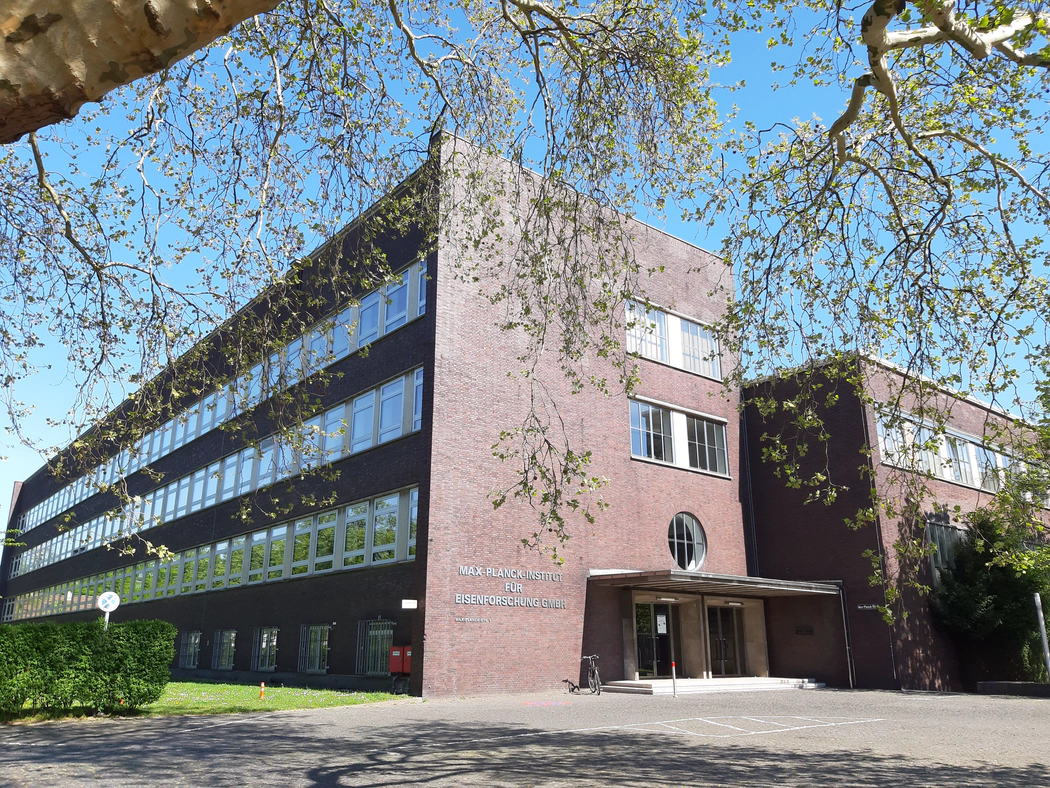
Christian Liebscher is Group Leader for Advanced Transmission Electron Microscopy in Structure and Nano-/Micromechanics of Materials at the Max-Planck-Institut für EisenforschungGmbH. Having completed his PhD at the University of Bayreuth, Liebscher has previously worked at University Duisburg-Essen and at the University of California, Berkley. Author of a cover story in Physical Review Letters, Liebscher was awarded with a research fellowship from the German Science Foundation (DFG) in 2013-14.
Original Publication
Observations of Grain-Boundary Phase Transformations in an Elemental Metal
Thorsten Meiners
,Timofey Frolov
,Robert E. Rudd
,Gerhard Dehm
,Christian H. Liebscher
Published in 2020