What Are the Core Mechanisms that Drive the Dynamics of Political Discourse?
DOI:
https://doi.org/10.21036/LTPUB10120Researcher
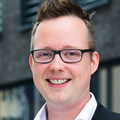
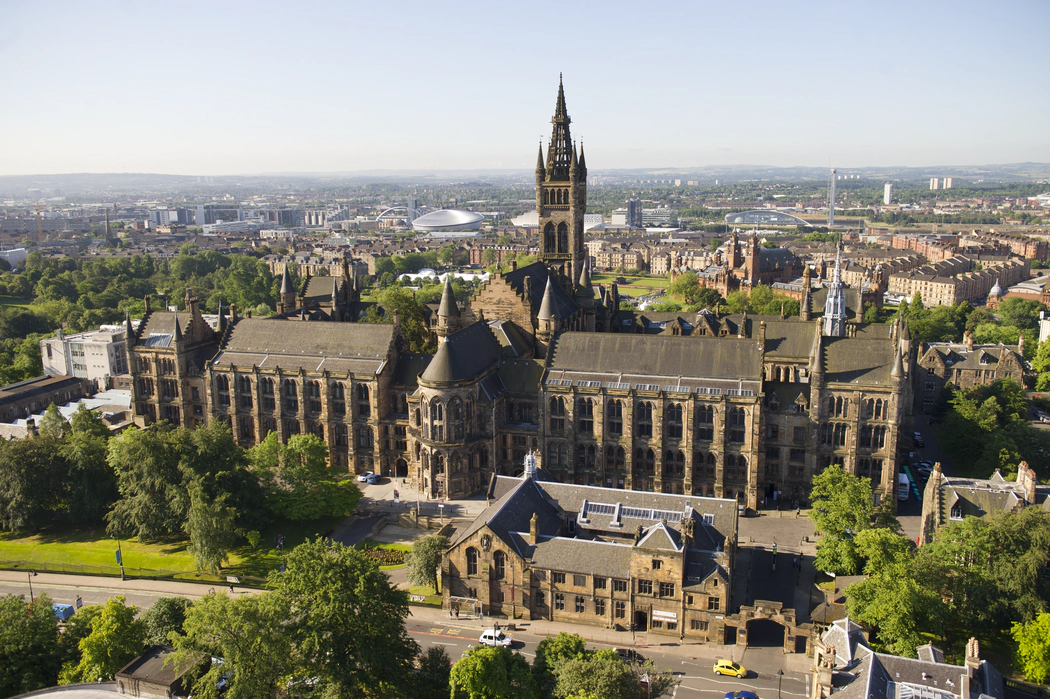
Philip Leifeld is a Senior Lecturer in Research Methods at the University of Glasgow (UK). In addition, Leifeld holds the position as Director of Postgraduate Research Training in the School of Social and Political Sciences. Previously, Leifeld was a Postdoctoral Fellow at the Max Planck Institute for Research on Collective Goods, and the Max Plank Institute for Demographic Research. His area of specialization is political networks, state actors, and policy networks. In particular, Leifeld focuses on verbal interaction between political actors, and the discourse that surrounds political parlance. For his doctoral dissertation Leifeld was awarded two different ‘Best Dissertation Awards’ (sponsored by the Foundation of Science and Society at the University of Konstanz and the German Employers Federation Südwestmetall).
Original Publication
Polarization of Coalitions in an Agent-Based Model of Political Discourse
Philip Leifeld
Published in 2014