How Does Single Motherhood Impact Health and Wellbeing?

Previous research has shown that single mothers experience disproportionately higher rates of physical and mental illness compared to partnered mothers. In this video, moving beyond that comparative focus, MINE KÜHN analyzes how the transition into and length of single motherhood impacts health and wellbeing, as well as the factors that determine those impacts. By investigating changes in single motherhood over time using German panel data, Kühn finds that expanded employment correlates strongly with improved health and wellbeing for single mothers. Her findings highlight the vital importance of policies which enable single mothers to return to work, such as institutional childcare provision.

DOI:

https://doi.org/10.21036/LTPUB10810

Max Planck Institute for Demographic Research

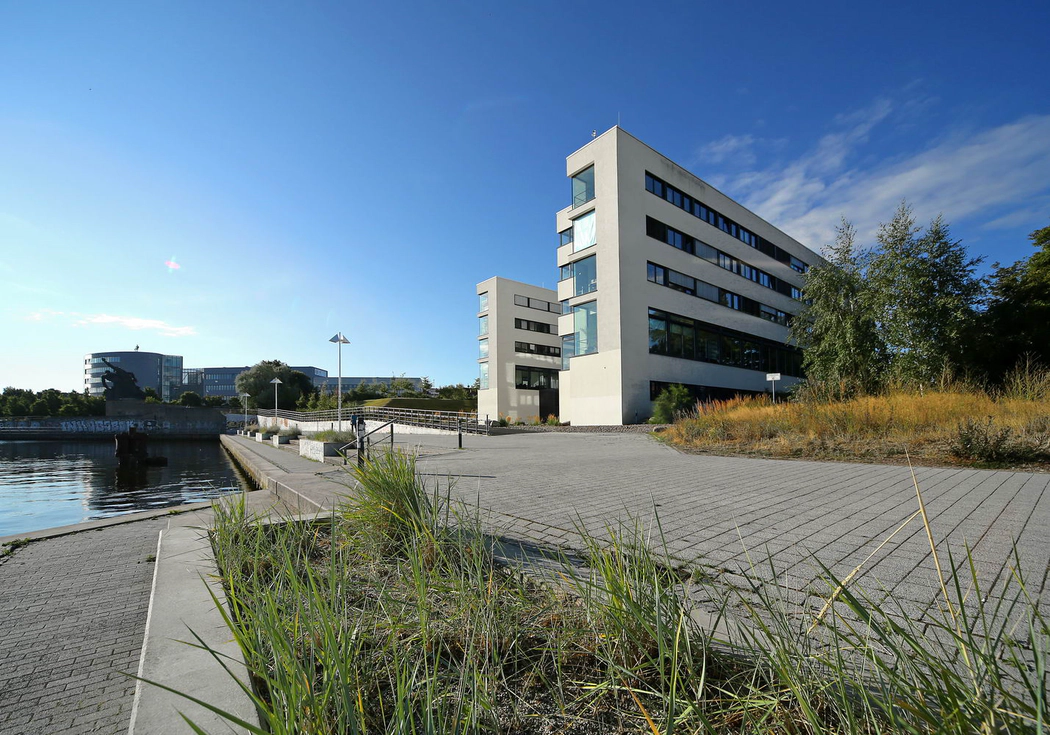
The Max Planck Institute for Demographic Research (MPIDR) in Rostock investigates the structure and dynamics of populations. The Institute’s researchers explore issues of political relevance, such as demographic change, aging, fertility, and the redistribution of work over the life course, as well as digitization and the use of new data sources for the estimation of migration flows. The MPIDR is one of the largest demographic research bodies in Europe, and is a worldwide leader in the study of populations. The Institute is part of the Max Planck Society, the internationally renowned German research organization.

Max Planck Institute for Demographic Research

Original Publication

Changes in Lone Mothers’ Health: A Longitudinal Analysis

Mine Kühn

Published in 2017