How Do Alloying Elements Behave at the Grain Boundary?

DOI:
https://doi.org/10.21036/LTPUB10936Researcher
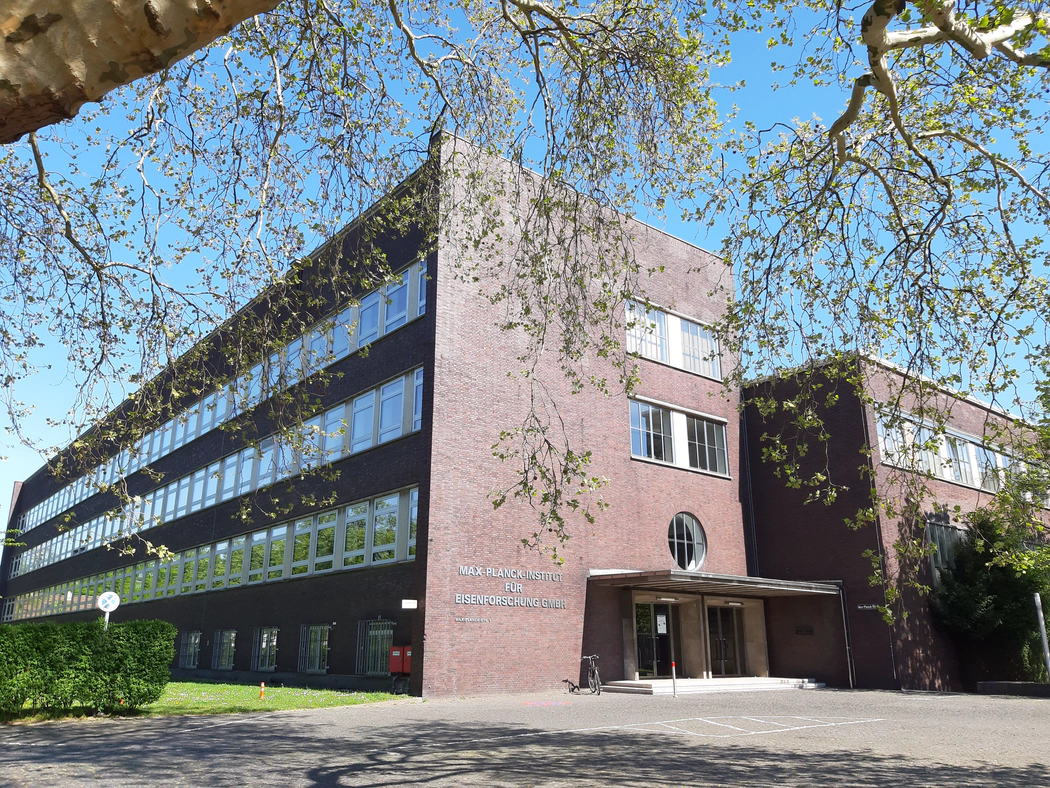
Liam Huber is Group Leader for Thermodynamics and Kinetics of Defects at the Max-Planck-Institut für Eisenforschung in Düsseldorf. Huber has been working in the Computational Materials Department at the Max-Planck-Institut since 2015. Prior to this, he completed his Masters and PhD in Physics at the University of British Columbia. Huber’s research focuses on solute defect interactions, computational methods for long timescale problems, machine learning in materials science and pyiron development. An expert on the computing language Python, Huber received awards from the Canadian NSERC for both his doctoral and masters research projects.
Original Publication
A Machine Learning Approach to Model Solute Grain Boundary Segregation
Liam Huber
,Raheleh Hadian
,Blazej Grabowski
,Jörg Neugebauer
Published in 2018