How Can We Quantify the Immediate and Lingering Impact of Genocide on Local Populations?

Mass killings generally occur in settings of armed conflict where it is very difficult or impossible to collect official data on births, deaths and marriages. In this video, DIEGO ALBUREZ-GUTIERREZ confronts this challenge by focusing on the mass killings of the Maya Achi people which took place during the Guatemalan Civil War in the 1980s. Using a novel approach, the “Extended Genealogy Method”, Alburez-Gutierrez reconstructed the demographic history of the affected population over the last 60 years from interviews with relatives of the victims. This project, the first in-depth quantitative study of the genocide in Guatemala, has evident historical significance. It also provides empirical insights into the effects of mortality shocks on population dynamics and introduces a scalable data collection tool.

DOI:

https://doi.org/10.21036/LTPUB10807

Max Planck Institute for Demographic Research

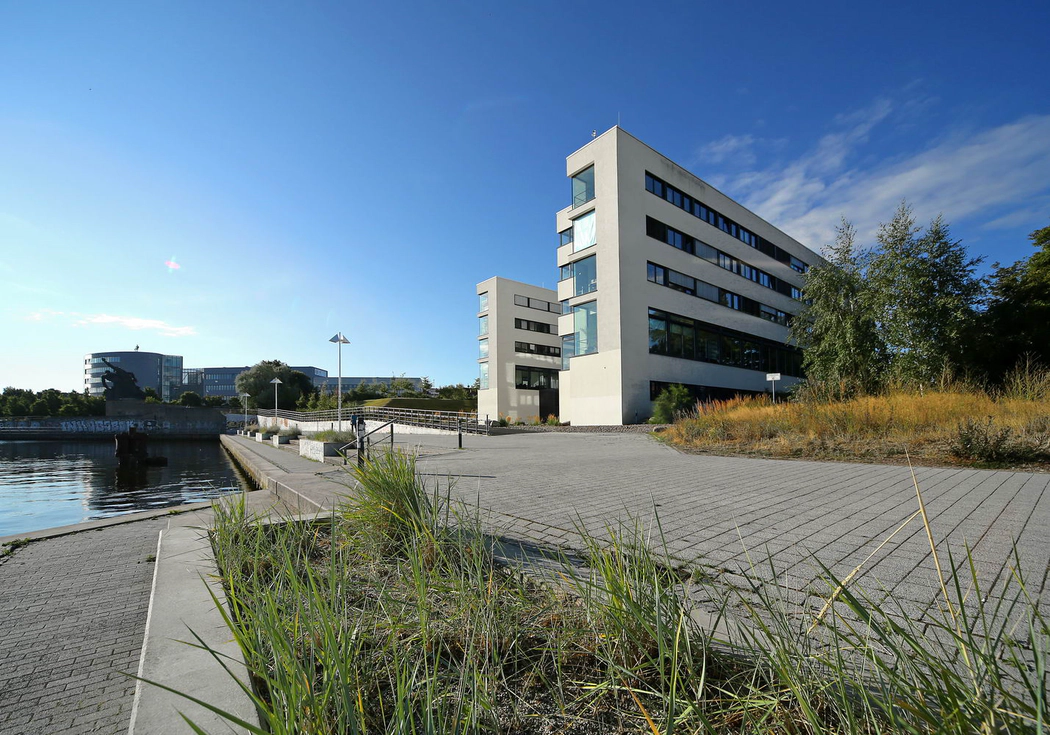
The Max Planck Institute for Demographic Research (MPIDR) in Rostock investigates the structure and dynamics of populations. The Institute’s researchers explore issues of political relevance, such as demographic change, aging, fertility, and the redistribution of work over the life course, as well as digitization and the use of new data sources for the estimation of migration flows. The MPIDR is one of the largest demographic research bodies in Europe, and is a worldwide leader in the study of populations. The Institute is part of the Max Planck Society, the internationally renowned German research organization.

Max Planck Institute for Demographic Research

Original Publication

Blood is Thicker than Bloodshed: A Genealogical Approach to Reconstruct Populations After Armed Conflicts

Diego Alburez‐Gutierrez

Published in 2019