Do People Tend to Behave Dishonestly in Groups?

In recent years, immoral behavior in firms as well as scandals in the banking sector and non-profit organizations have been widely discussed. Often it is groups rather than individuals who are responsible for these immoral acts. This video presents an economic experiment that investigates whether groups are more likely to lie than individuals; and why this might be the case. As SIMEON SCHUDY explains, significantly more participants behave dishonestly after communicating in a group than individually. The study shows that the possibility to exchange arguments for and against dishonesty makes group members not only more dishonest but also more pessimistic about other people’s honesty. This "dishonesty shift" might explain why unethical behavior can prevail in so many real world institutions and makes it hard to predict (im)moral decisions of groups based on the moral standards each individual group member holds.

DOI:

https://doi.org/10.21036/LTPUB10408

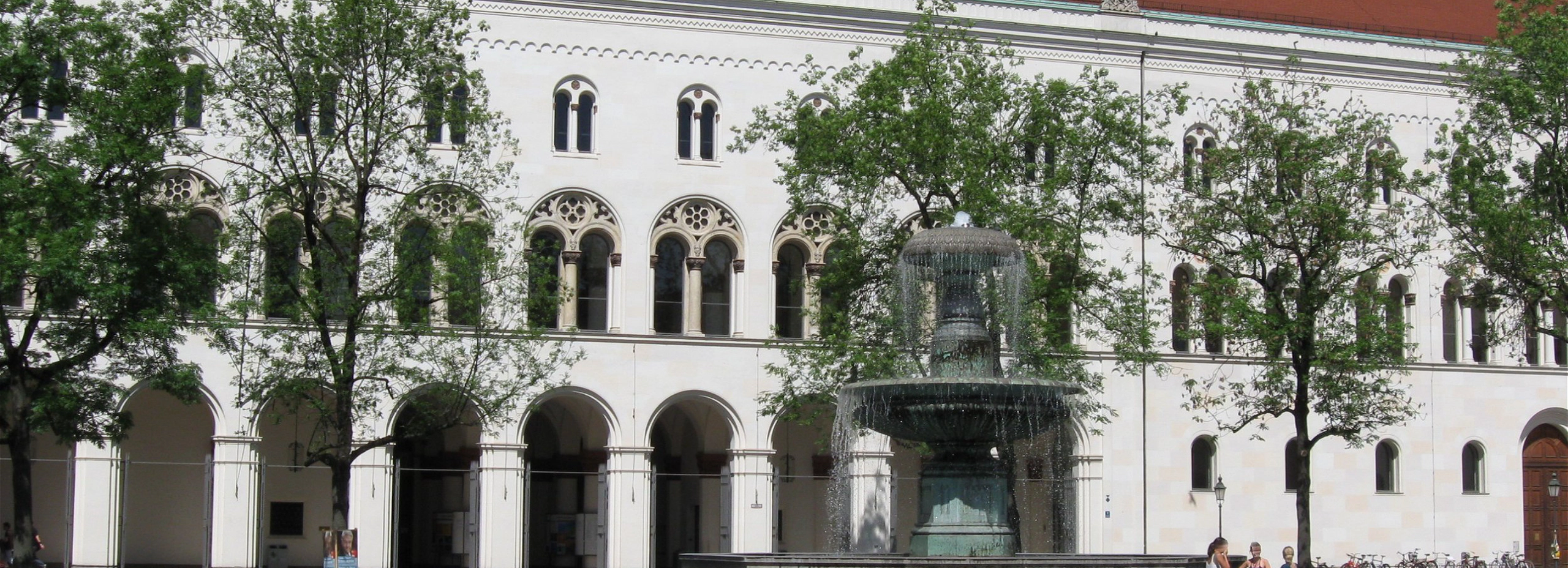
Ludwig Maximilian University Munich (Ludwig-Maximilians-Universität München)

"LMU Munich is one of the leading universities in Europe. Carrying on a tradition that goes back over 500 years, LMU offers challenging study programs and provides an ideal environment for top-level research. "Introducing LMU" gives an insight into learning and teaching as well as research and life at LMU." ( Source )

Ludwig Maximilian University Munich (Ludwig-Maximilians-Universität München)

Original Publication

I lie? We lie! Why? Experimental Evidence on a Dishonesty Shift in Groups

Martin G. Kocher

,

Simeon Schudy

,

Lisa Spantig

Published in 2017