Do Awards Yield Better Results in Enhancing Performance than Monetary Incentives?

Monetary incentives, even though apparently efficient in driving performance of workers, have drawbacks, explains BRUNO S. FREY. They can result in a reorientation of workers from their focus on quality towards merely meeting objectives. The experiment presented in this video studies the impact of replacing monetary incentives with symbolic awards. The positive effect on the performance of workers highlights the potential of a well calibrated award environment. The individual’s needs for recognition and acknowledgement of efforts show to be key elements in boosting intrinsic motivation.

DOI:

https://doi.org/10.21036/LTPUB10177

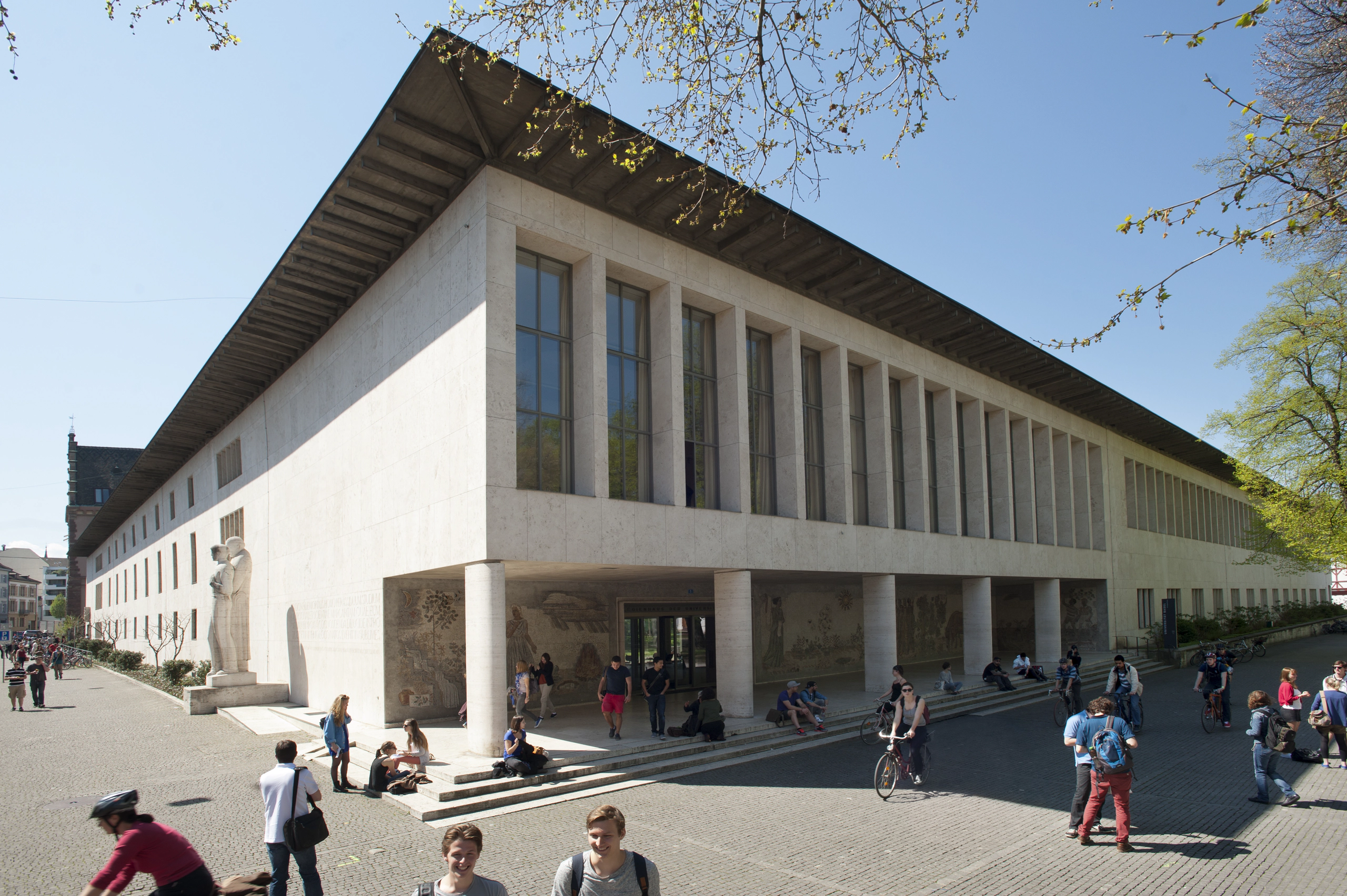
University of Basel (Universität Basel)

The University of Basel has an international reputation of outstanding achievements in research and teaching. Founded in 1460, the University of Basel is the oldest university in Switzerland and has a history of success going back over 550 years. As a comprehensive university offering a wide range of high-quality educational opportunities, the University of Basel attracts students from Switzerland and the entire world, offering them outstanding studying conditions as they work towards their bachelor’s, master’s or PhD degrees. Today, the University of Basel has around 13,000 students from over a hundred nations, including 2,700 PhD students. The University of Basel has seven faculties covering a wide spectrum of academic disciplines. At the same time, the university has positioned itself amidst the international competition in the form of five strategic focal areas: Life Sciences, Visual Studies, Nanosciences, Sustainability and Energy Research and European and Global Studies. (Source: University of Basel)

University of Basel (Universität Basel)

Original Publication

Awards as Compensation

Bruno S. Frey

Published in 2007

Awards at Work

Susanne Neckermann

,

Reto Cueni

,

Bruno S. Frey

Published in 2012